

Collection:
Military headgear
Military headwear with historical accuracy: From the tricorn hat, bicorn hat, shako & peaked cap
The history of military headwear is fascinating, reflecting military, social, and fashion developments. From the ornate hats of bygone eras to the functional models of today, every hat style tells its own story . Altenburger Hut & Kostüm crafts impressive, iconic military hats such as the tricorn, the bicorn , the shako , and the peaked cap .

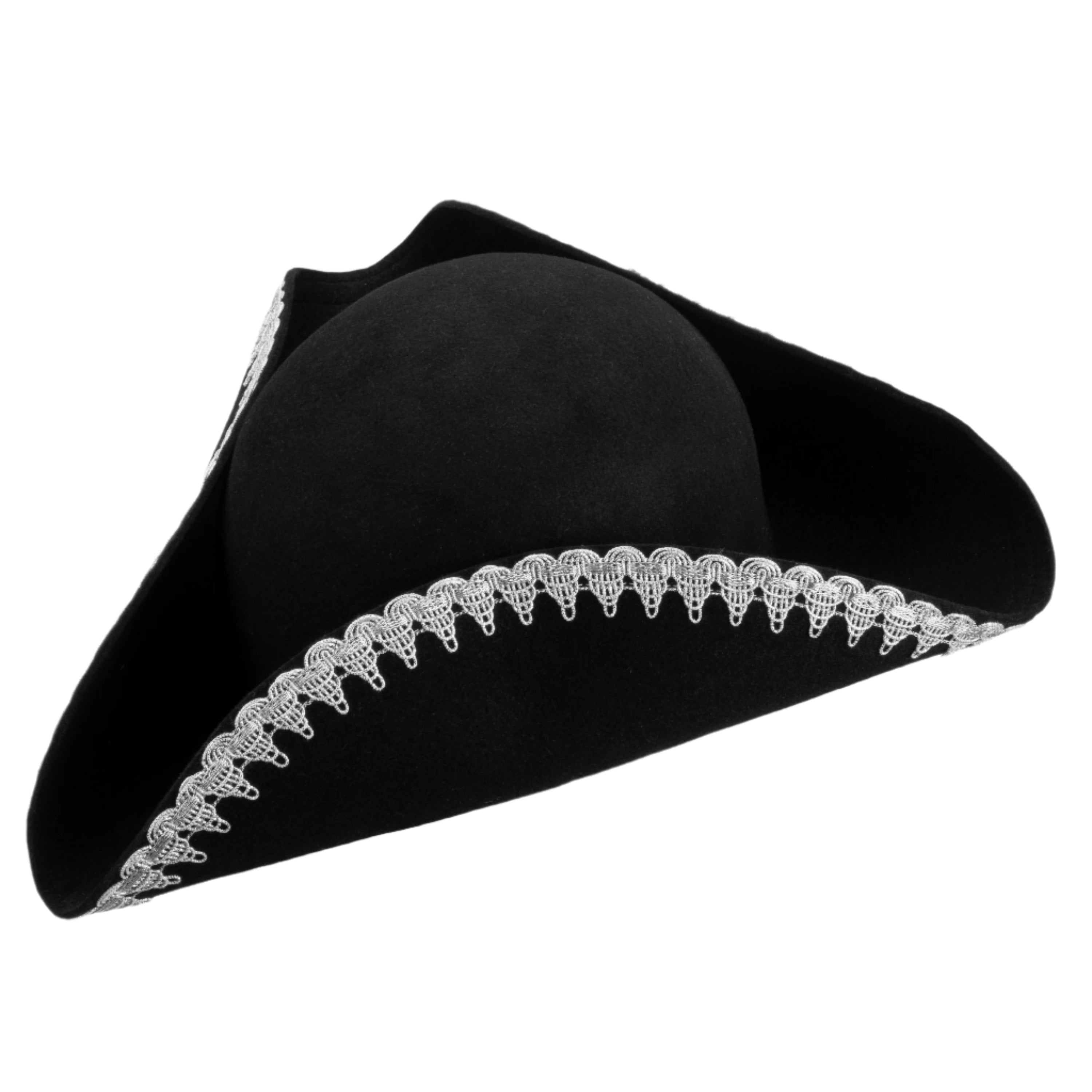
The tricorn hat: The elegant status symbol of the 18th century
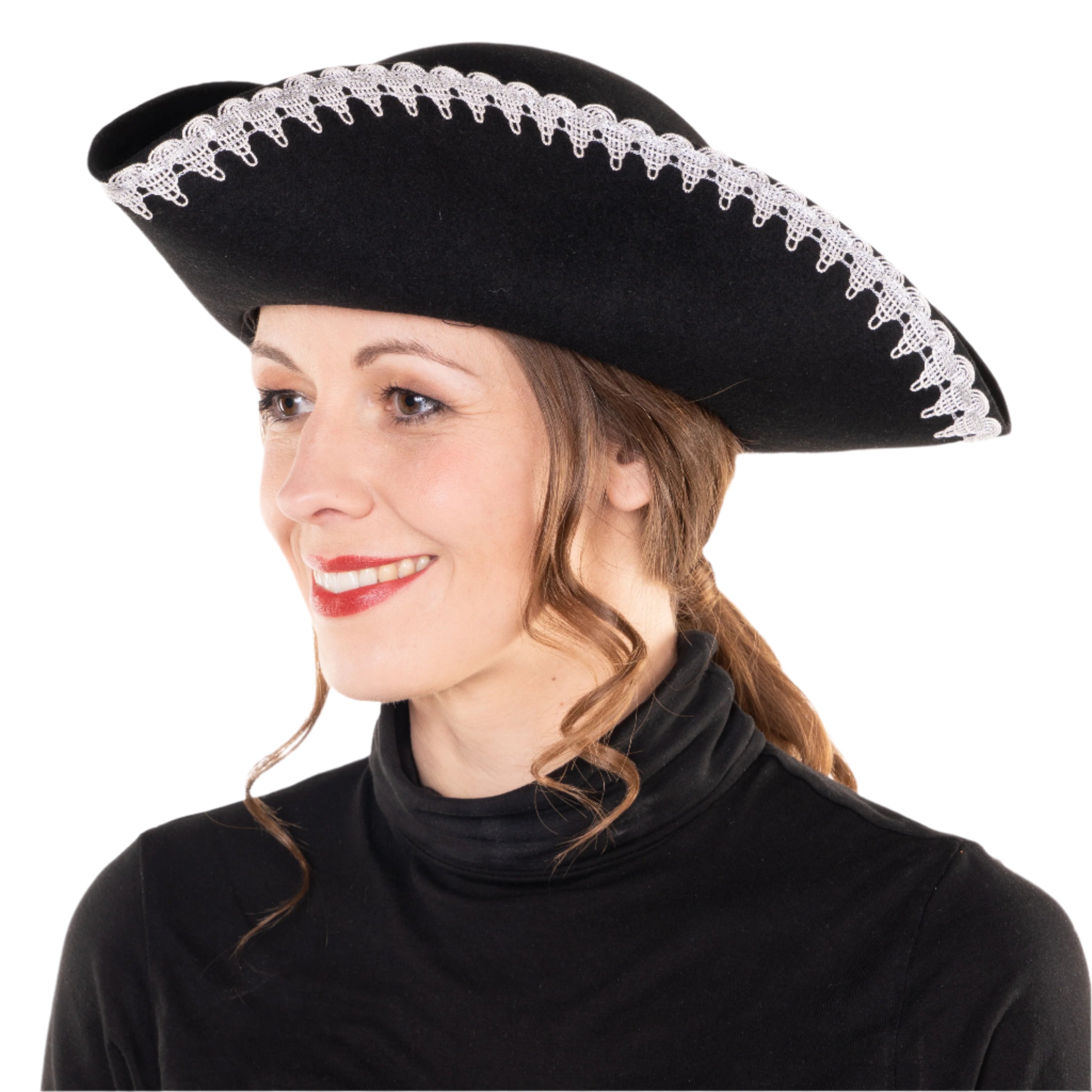
The tricorn hat was more than just headwear in the 18th century. It symbolized authority and military rank . Its characteristic three upturned brims made it unmistakable. Officers often adorned it with cockades and feathers to demonstrate their status. The tricorn not only served as protection against wind and weather but also offered practical storage space for orders . Today, it is primarily known as the classic pirate hat.
The bicorn hat: Napoleon's unmistakable trademark in the 19th century
In the 19th century, the bicorn hat replaced the tricorn and became inextricably linked with Napoleon Bonaparte . Its two points, worn at the sides, gave military leaders an imposing appearance . Rich embellishments such as gold braid and feathers underscored the wearer's power and strength on battlefields and at parades . We still use this quality of hat decoration today!
The shako: Discipline and military order of the 19th century
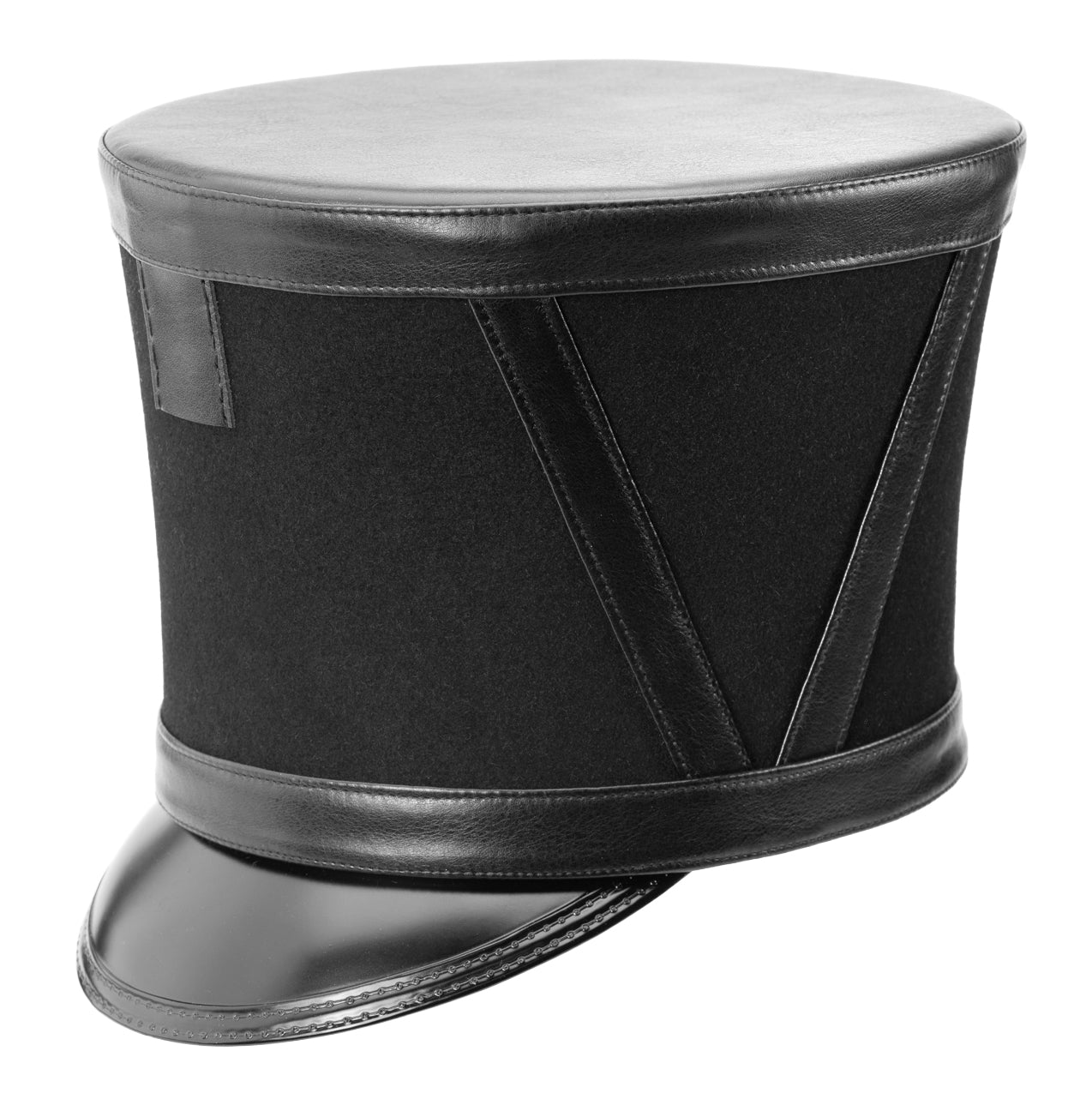
The shako , a tall, cylindrical hat with a visor , shaped the appearance of many armies in the 19th century. Variants such as the Prussian spiked helmet (Pickelhaube) developed from this form. The shako stood for discipline and military order . Different insignia , from simple cockades to elaborate crests , identified a soldier's unit and rank .
The peaked cap: Practical functionality for the modern battlefield.
In the 20th century, the peaked cap established itself as a practical military head covering. Its visor offers protection from sun and rain, and it is more comfortable than its predecessors. From simple field caps to elegant service caps, the peaked cap is now available in numerous styles. Badges and colors continue to play an important role in indicating affiliation and status within modern armed forces. Its functionality makes it an indispensable component of modern uniforms .